


Newborn baby jaundice is a common condition in which a baby’s skin and eyes appear yellow due to excess bilirubin in the blood. It usually develops within the first few days after birth and often resolves on its own. However, some cases require medical monitoring or treatment to prevent complications.
With growing awareness around gentle newborn care and the use of safe, toxin-free baby products from trusted brands like Maate, parents today are better equipped to handle such early health concerns. You can also explore essentials like Newborn Baby Face Cream and Baby Face Cream For Dry Skin for maintaining your baby’s delicate skin In most cases, jaundice is temporary, but understanding its causes, symptoms, and care methods is essential for your baby’s well-being.
What Is Newborn Baby Jaundice
Newborn baby jaundice is a medical condition where a baby’s skin, the whites of the eyes, and sometimes the inside of the mouth appear yellow. This happens due to a substance called bilirubin, which is naturally produced when red blood cells break down.
In newborns, the liver is still developing and may not be efficient enough to remove bilirubin quickly. As a result, bilirubin builds up in the bloodstream, leading to visible yellowing.
It is important to understand that this condition is extremely common and affects a large number of healthy newborns. In most situations, it is part of the natural adjustment process after birth. Parents preparing for newborn care can also benefit from resources like a delivery bag packing list to stay organized.
Why Does Newborn Baby Jaundice Happen
Immature Liver Function
A newborn’s liver is not fully mature at birth. Since the liver plays a key role in processing and eliminating bilirubin, its limited function can lead to temporary buildup.
Increased Breakdown of Red Blood Cells
Babies are born with a higher number of red blood cells compared to adults. These cells break down quickly after birth, producing more bilirubin than the baby’s body can handle.
Breastfeeding Related Jaundice
In the early days, if a baby is not feeding well, bilirubin may not be eliminated efficiently. This is often referred to as breastfeeding jaundice.
Breast Milk Jaundice
In some cases, certain natural substances in breast milk may slow down the breakdown of bilirubin. This type of jaundice appears later and may last longer, but it is usually harmless.
Signs and Symptoms of Newborn Baby Jaundice
Recognizing the symptoms early can help ensure timely care.
Common Signs
Yellowing of the skin that usually starts on the face and gradually spreads to the chest and legs
- Yellow discoloration in the whites of the eyes
- Increased sleepiness or difficulty waking the baby
- Poor feeding or reduced interest in feeding
More Serious Signs
- Deep yellow or orange skin tone
- Unusual crying that may sound high-pitched
- Extreme lethargy or lack of responsiveness
- Stiff or arched body posture
Parents should observe their baby in natural light, as artificial lighting can sometimes make it harder to detect changes in skin color. Tracking early growth patterns using guides like 2 month baby milestones can also be helpful.
When Should Parents Worry
Although newborn baby jaundice is often mild, certain situations require immediate attention.
- Jaundice appearing within the first twenty-four hours after birth
- Rapid spread of yellowing across the body
- Difficulty in feeding or refusal to feed
- Baby appearing unusually weak or excessively sleepy
- Symptoms lasting longer than two to three weeks
Prompt medical evaluation in these cases helps prevent complications and ensures appropriate treatment.
How Is Newborn Baby Jaundice Diagnosed
Doctors use a combination of observation and tests to confirm jaundice and assess its severity.
- Visual examination of the baby’s skin and eyes
- A bilirubin blood test to measure the exact levels
- A non-invasive device placed on the skin to estimate bilirubin levels
Regular monitoring helps doctors decide whether treatment is necessary or if the condition will resolve naturally.
Treatment Options for Newborn Baby Jaundice
Treatment depends on how high the bilirubin levels are and how quickly they are rising.
Frequent Feeding
Feeding your baby regularly helps remove bilirubin through urine and stool. Breastfed babies should ideally be fed multiple times a day.
Phototherapy
This is the most common medical treatment. The baby is placed under special lights that help break down bilirubin in the skin so it can be eliminated from the body.
Advanced Medical Care
In rare and severe cases
- Intravenous fluids may be given
- A blood exchange procedure may be required to rapidly reduce bilirubin levels
Most babies respond well to simple treatments and recover without long-term effects.
Can Newborn Baby Jaundice Be Prevented
While it cannot always be prevented, certain steps can reduce the risk or severity.
- Start feeding your baby as early as possible
- Ensure frequent and effective feeding
- Keep track of wet and dirty diapers
- Attend all newborn checkups and screenings
Early care plays a crucial role in managing bilirubin levels effectively.
Caring for a Baby with Jaundice at Home
Home care is an important part of recovery, especially in mild cases.
- Ensure the baby is feeding well and regularly
- Monitor changes in skin color daily
- Keep the baby comfortable and well rested
- Follow all medical advice carefully
Avoid relying on unverified remedies. While some people suggest sunlight exposure, it should never replace medical guidance.
Gentle Skin Care During Jaundice
During newborn baby jaundice, a baby’s skin can become even more delicate and sensitive. Using harsh soaps or products with artificial ingredients can cause irritation.
It is important to choose products that are gentle, nourishing, and safe for newborn use. Options like Baby Face Cream For Winter help protect delicate skin in changing weather conditions. Natural and toxin-free formulations are often preferred by parents who want to avoid unnecessary chemicals.
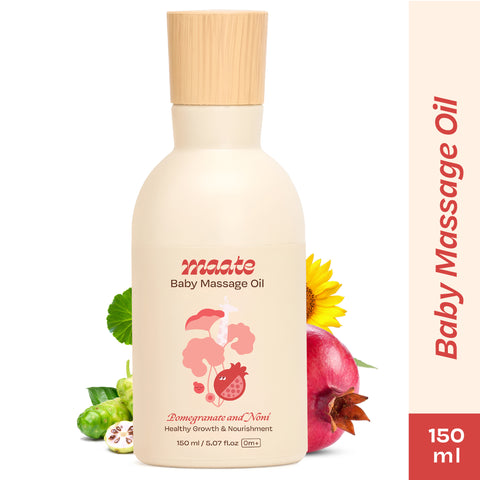
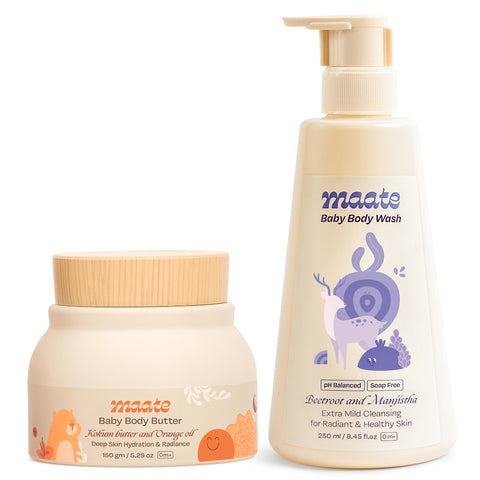
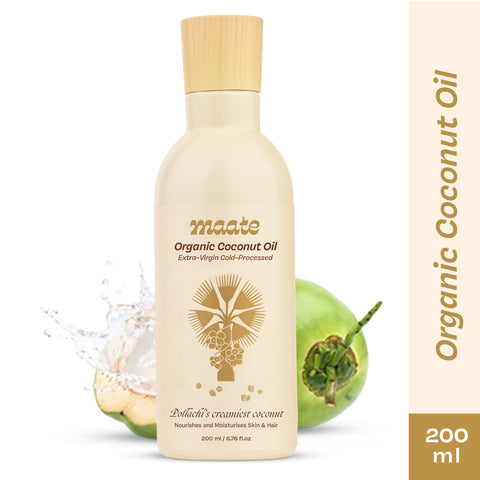
Brands such as Maate focus on creating baby care products that are mild, safe, and suitable for sensitive skin. Their approach combines traditional knowledge with modern safety standards, making them a thoughtful choice for newborn care routines.
You can also explore helpful parenting reads like best books to read in pregnancy and fun ideas like unique nicknames for girls.
Expert Tips for Parents
- Most cases of newborn baby jaundice resolve within one to two weeks
- Continue breastfeeding unless your doctor advises otherwise
- Keep all follow-up appointments for monitoring
- Trust professional medical advice over home remedies
- Stay calm and observe your baby closely
Being informed and attentive helps parents manage the condition with confidence.
Conclusion
Newborn baby jaundice is a natural and often temporary condition that most babies experience in their early days. While it can appear concerning, proper understanding, timely monitoring, and appropriate care ensure that your baby remains safe and healthy. With the right balance of medical guidance and gentle daily care, parents can navigate this phase with reassurance and confidence.
Give Your Newborn the Gentle Care They Deserve
Your baby’s skin deserves the utmost care, especially during sensitive phases like jaundice. Choosing safe and gentle products can make a meaningful difference in your baby’s comfort.
- With Maate, you can provide
- Natural and toxin-free formulations
- Carefully selected ingredients suitable for newborn skin
- A gentle approach that supports your baby’s delicate needs
Explore a thoughtful range of newborn care essentials designed to nurture and protect your baby from the very beginning.
Frequently Asked Questions
Q1. What causes newborn baby jaundice
Newborn baby jaundice is caused by an excess of bilirubin in the blood, which occurs when a baby’s liver is not yet mature enough to process and remove it efficiently.
Q2. Why is newborn baby jaundice so common
It is common because most newborns have immature liver function and a higher turnover of red blood cells, both of which contribute to increased bilirubin levels.
Q3. How long does newborn baby jaundice last
In most cases, it lasts for one to two weeks. In breastfed babies, it may last slightly longer but usually resolves without complications.
Q4. Can newborn baby jaundice go away on its own
Yes, mild cases often resolve naturally as the baby’s liver matures and begins to process bilirubin more effectively.
Q5. Is newborn baby jaundice dangerous
It is usually not dangerous, but high levels of bilirubin can lead to complications if left untreated, which is why monitoring is important.
Q6. Will my baby need treatment for jaundice
Not all babies require treatment. Doctors decide based on bilirubin levels, the age of the baby, and the overall health condition.
Q7. How can I check jaundice at home
You can look for yellowing of the skin and eyes in natural light and monitor feeding and activity levels. If you notice any changes, consult a doctor.
Q8. What are normal bilirubin levels in newborns
Normal bilirubin levels vary depending on the baby’s age. less than 5 milligrams per deciliter on the first day, less than ten milligrams per deciliter on the second day, and up to fifteen milligrams per deciliter around the third to fifth day. Always rely on a doctor to interpret these values correctly.