


Babies with eczema-prone skin benefit from a gentle daily routine that focuses on cleansing without stripping natural oils, moisturizing immediately after bathing, protecting the skin barrier, and avoiding common irritants. Consistent skincare, combined with suitable products and pediatric guidance when needed, can help keep delicate skin soft, hydrated, and comfortable.
Caring for eczema-prone baby skin starts with protecting the skin's natural barrier and keeping it well hydrated every day. A simple routine with gentle, nourishing products can make daily skincare easier while helping maintain your baby's comfort. At Maate, you'll find thoughtfully formulated newborn baby essentials designed to care for delicate skin with nature-inspired ingredients.
Understanding Eczema-Prone Baby Skin
A baby's skin is naturally thinner and more delicate than an adult's, making it more susceptible to dryness and irritation. When babies have eczema-prone baby skin, the outer protective layer does not retain moisture as effectively. As a result, the skin may become dry, rough, itchy, and sensitive to environmental triggers.
Baby eczema, also known as atopic dermatitis, commonly appears during infancy and early childhood. While every child experiences it differently, many parents notice dry patches on the cheeks, elbows, knees, wrists, or behind the ears. Although eczema cannot always be prevented, a gentle skincare routine can help support healthier-looking skin and reduce everyday discomfort.
Why Your Baby's Skin Barrier Needs Extra Care
The skin barrier acts as your baby's first line of defense. It locks in moisture while protecting against external irritants such as dust, dry weather, and pollutants.
When this protective barrier becomes weak, moisture escapes more easily, leaving the skin vulnerable to dryness and sensitivity. This is why maintaining hydration is one of the most important parts of caring for eczema-prone baby skin.
A consistent skincare routine focused on cleansing gently and moisturizing regularly helps support the skin barrier and encourages healthier, softer skin over time.
Common Triggers That May Worsen Eczema-Prone Skin
Every baby's skin is unique, but certain everyday factors may contribute to irritation.
Some common triggers include:
- Hot baths that remove natural oils
- Harsh soaps or cleansers
- Artificial fragrances
- Dry or cold weather
- Rough wool or synthetic fabrics
- Overheating and excessive sweating
- Dust and environmental allergens
- Strong detergents used for baby clothes
Identifying your baby's individual triggers can help you adjust daily habits and create a more skin-friendly environment.
A Gentle Daily Routine for Eczema-Prone Baby Skin
Step 1: Cleanse Without Stripping Natural Oils
Bath time should leave your baby's skin feeling clean—not tight or dry. Use lukewarm water instead of hot water and keep baths short.
A mild, soap-free cleanser helps remove dirt while respecting the skin's natural protective barrier.
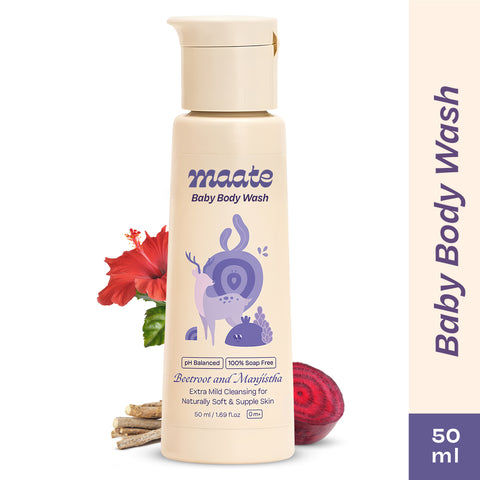
Maate Baby Body Wash pH Balanced | Soap Free is formulated to cleanse gently without disturbing the skin's moisture balance, making it a thoughtful choice for babies with sensitive skin.
Step 2: Moisturize Immediately After Bathing
One of the simplest yet most effective habits is applying moisturizer within a few minutes after bathing. Damp skin absorbs moisture more effectively, helping lock in hydration.
Maate Baby Butter Lotion – Hypoallergenic | Deep Hydration is specially crafted to nourish delicate skin with long-lasting moisture. Its gentle formulation is pediatrician and dermatologist tested, making it suitable for everyday use on sensitive baby skin.
Keeping the skin consistently moisturized is one of the most helpful ways to care for eczema-prone baby skin.
Step 3: Give Extra Care to Dry Areas
Some areas naturally become drier than others. Elbows, knees, ankles, hands, and cheeks often need additional nourishment.
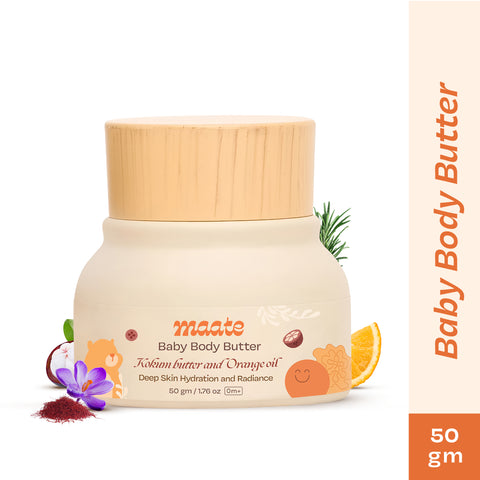
For these spots, Maate Baby Body Butter provides richer hydration that helps soften rough patches and supports the skin's moisture barrier throughout the day.
Applying extra moisture to these areas can help improve overall skin comfort, especially during colder months.
Step 4: Protect Delicate Facial Skin
Baby cheeks are constantly exposed to drool, wind, feeding, and changing weather conditions.
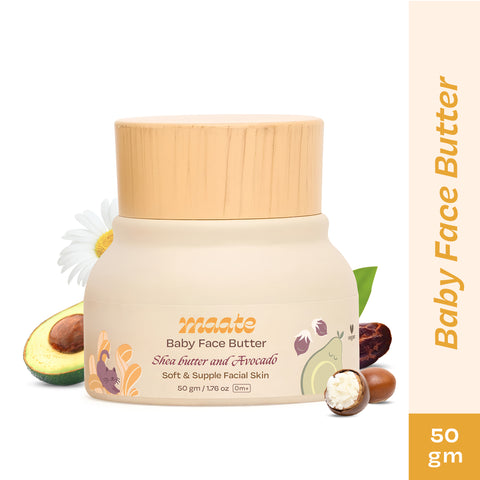
Using Maate Baby Face Butter – Skin Protection | Deep Hydration helps keep facial skin moisturized and comfortable while supporting the delicate skin barrier. Gentle hydration throughout the day can reduce the appearance of dry patches caused by everyday exposure.
Step 5: Choose Comfortable Clothing
Soft, breathable cotton clothing is generally the best choice for babies with sensitive skin.
Dress your baby in lightweight layers to prevent overheating, and wash new clothes before first use using a mild detergent. Avoid rough fabrics that may cause friction against delicate skin.
Small daily habits like these complement your skincare routine and contribute to healthier skin over time.
Ingredients to Look for in Baby Skincare
When selecting products for eczema-prone baby skin, gentle formulations matter more than long ingredient lists.
Look for products that offer:
- pH-balanced formulations
- Hypoallergenic ingredients
- Plant-based moisturizers
- Naturally nourishing butters
- Skin-conditioning botanical extracts
- Pediatrician-tested formulas
These ingredients work together to support hydration while respecting the natural balance of delicate baby skin.
Ingredients Parents May Prefer to Avoid
Many parents choose products that minimize unnecessary additives.
When shopping for baby skincare, you may prefer formulations free from:
- Artificial fragrances
- Sulphates (SLS)
- Parabens
- Synthetic dyes
- Harsh alcohols
- Mineral oil (based on personal preference)
Choosing gentle, thoughtfully formulated products helps simplify your baby's daily skincare routine.
Daily Habits That Help Keep Baby Skin Comfortable
Baby Skincare extends beyond moisturizers. Everyday habits can make a meaningful difference.
Here are a few simple practices:
- Moisturize at least twice daily.
- Keep your baby's fingernails trimmed.
- Maintain a comfortable indoor humidity level during dry seasons.
- Dress your baby in breathable fabrics.
- Wash bedding and clothes with gentle detergents.
- Avoid overheating whenever possible.
- Stay consistent with your baby's skincare routine.
Consistency often matters more than using many different products.
When Should You Speak to Your Pediatrician?
Although a daily skincare routine can support healthy skin, it's important to seek medical advice if your baby's symptoms become severe.
Consult your pediatrician if:
- Dry patches continue to worsen.
- Skin becomes cracked or begins to ooze.
- Your baby appears unusually uncomfortable.
- Sleep is regularly disturbed because of itching.
- You notice signs of infection or persistent inflammation.
A healthcare professional can recommend the most appropriate treatment plan based on your baby's individual needs.
Why Parents Choose Natural Baby Care for Sensitive Skin
Parents today are becoming increasingly mindful of the ingredients they apply to their baby's skin. Products inspired by nature, combined with gentle science-backed formulations, offer everyday care without unnecessary complexity.
A simple routine focused on hydration, barrier support, and mild cleansing often works better than frequently changing products.
For babies with eczema-prone baby skin, consistency, patience, and choosing gentle formulations remain the foundation of healthy skincare.
Build a Gentle Baby Skincare Routine with Maate
Every baby deserves skincare that is as gentle as their delicate skin.
Maate combines nature-inspired ingredients with thoughtfully developed formulations to help parents care for their little ones with confidence. From the Maate Baby Body Wash pH Balanced | Soap Free that cleanses gently, to the deeply nourishing Maate Baby Butter Lotion – Hypoallergenic | Deep Hydration, Maate Baby Body Butter, and Maate Baby Face Butter – Skin Protection | Deep Hydration, every product is created to support everyday hydration and comfort for delicate skin.
If you're building a gentle routine for eczema-prone baby skin, explore Maate's carefully crafted baby care collection and give your little one the nourishing care their skin deserves every single day.
Frequently Asked Questions
Q1. How often should I moisturize eczema-prone baby skin?
Moisturize at least twice a day and immediately after bathing while the skin is still slightly damp. Regular hydration helps support the skin barrier and maintain moisture.
Q2. How can I reduce dryness in my baby's skin naturally?
Use lukewarm baths, gentle soap-free cleansers, moisturize after every bath, dress your baby in breathable cotton clothing, and maintain a consistent skincare routine.
Q3. Can babies with eczema bathe every day?
Yes. Short daily baths using lukewarm water and a gentle cleanser are generally suitable, provided you moisturize immediately afterward to lock in hydration.
Q4. Can weather affect eczema-prone baby skin?
Yes. Cold weather, dry air, excessive heat, and sudden temperature changes may contribute to increased dryness or irritation. Keeping the skin moisturized throughout the year can help.
Q5. Is fragrance-free skincare better for babies with sensitive skin?
Many parents prefer fragrance-free products because they reduce unnecessary exposure to ingredients that may irritate delicate skin. Gentle, hypoallergenic formulations are often a good choice.
Q6. Will eczema go away as my baby grows?
Some children experience fewer symptoms as they grow older, while others may continue to have sensitive skin. Your pediatrician can provide guidance based on your child's individual condition.
Q7. What ingredients should I look for in baby skincare products?
Look for pH-balanced, hypoallergenic products with nourishing botanical ingredients and moisturizing butters that help support the skin's natural barrier.
Q8. Why is the skin barrier important for eczema-prone baby skin?
The skin barrier helps retain moisture while protecting against external irritants. Supporting this barrier through gentle cleansing and regular moisturizing is one of the most effective ways to care for eczema-prone baby skin.