


To care for a baby’s scalp in winter, use a gentle, age-appropriate baby shampoo, wash as needed, rinse with lukewarm water and pat the scalp dry with a soft towel. Avoid scratching flakes, excessive washing and unsuitable products. Persistent redness, swelling or discomfort requires advice from a paediatrician.
Winter brings cosy clothes, warm baths and extra cuddles, but it can also leave your little one’s delicate skin feeling dry. Knowing how to care for a baby’s scalp in winter starts with understanding what their scalp needs and keeping the routine simple. At Maate, we believe gentle, thoughtful care makes everyday baby-care moments more comfortable. For a wider overview, you can read more about baby skin care in winter.
Why Is My Baby’s Scalp Dry in Winter?
Dry scalp in babies during winter can develop when cold outdoor conditions and dry indoor air contribute to moisture loss. A baby’s skin is delicate, and frequent washing or unsuitable hair-care products may also cause dryness or irritation. If you are caring for a very young baby, this guide on how to take care of newborn baby in winter may also help.
However, winter weather is not always the reason behind a flaky scalp. Other possible causes include cradle cap, eczema and sensitivity to certain products.
Common signs of a dry scalp include:
- Small, white flakes on the scalp or hair.
- Skin that appears dry or slightly rough.
- Mild flaking without significant discomfort.
- Dryness that becomes more noticeable after bathing.
Greasy, yellowish scales may indicate cradle cap rather than simple dryness. Redness, swelling, bleeding or persistent irritation should not be dismissed as ordinary winter dryness.
Understanding the possible cause helps you choose a suitable routine instead of applying multiple products unnecessarily.
How to Care for a Baby’s Scalp in Winter: 7 Gentle Tips
A simple routine is usually more useful than a long list of products. Here are seven practical ways to care for your baby’s scalp during colder months. A baby shampoo is usually the first product to think about.
1. Choose a Gentle Baby Shampoo
A suitable baby shampoo helps remove sweat, dirt and product residue without unnecessarily irritating delicate skin. Choose a product formulated for your baby’s age, and follow its directions carefully.
Avoid harsh cleansers and adult shampoos, particularly if your baby’s scalp already appears dry. If a product causes redness or irritation, stop using it and seek advice if symptoms persist. A mild baby shampoo is a gentler place to start.
Maate’s Baby Shampoo can be considered as part of a gentle cleansing routine. Always check the current product label for ingredients, age suitability and usage instructions.
2. Avoid Washing Your Baby’s Hair Too Frequently
Frequent washing is not necessary for every baby and may contribute to dryness in some cases. The right frequency depends on your baby’s age, scalp condition, activity and how quickly their hair becomes dirty. To plan your routine, see this guide on how often to bathe newborn in winter.
Wash when needed rather than following a rigid daily schedule. During bathing, gently massage the shampoo into the scalp with your fingertips, then rinse thoroughly.
3. Use Lukewarm Water
Very hot water can irritate delicate skin and leave it feeling dry. Use comfortably lukewarm water when washing your baby's hair.
Keep the bathing experience calm and brief, and avoid pouring water directly over your baby's face. A gentle rinse is enough to remove shampoo without unnecessary rubbing.
4. Pat the Scalp Dry Gently
After bathing, use a soft, clean towel to pat your baby’s scalp dry. Avoid vigorous rubbing, which can irritate sensitive skin and tangle fine hair.
Make sure the scalp is comfortably dry before putting on a hat. Avoid overheating your baby with excessive layers, particularly indoors. A baby conditioner for hair is another product some parents consider for soft, manageable hair.
5. Handle Flakes Without Scratching
Seeing flakes can make parents want to remove them immediately, but scratching or picking at the scalp may cause irritation and damage the skin.
If the flakes are persistent, greasy or accompanied by redness, consult a paediatrician before trying treatments. Do not assume that every flaky scalp needs oil or that flakes should be scrubbed away.
6. Keep Indoor Air Comfortable
Indoor heating can make the air dry during winter. Keeping the room comfortably ventilated and avoiding excessive heating may help maintain a more comfortable environment.
If you use a humidifier, clean and maintain it according to the manufacturer's instructions to prevent mould and microbial growth.
7. Pay Attention to Changes in the Scalp
Notice whether dryness improves after adjusting the washing routine. Also watch for persistent itching, spreading redness, swelling, discharge or areas of broken skin.
These symptoms may indicate a condition that requires medical assessment. Consult a paediatrician rather than experimenting with several oils, creams or home remedies.
How to Keep a Baby’s Scalp Moisturized During Winter
Learning how to care for a baby’s scalp in winter also means knowing when moisturising is appropriate. A dry scalp may benefit from a gentle, suitable product, but not every scalp condition responds well to oil or moisturiser.
Is Baby Hair Oil Suitable for Winter?
Baby hair oil may help condition the hair and soften the scalp, depending on its formulation. However, oil does not automatically treat the underlying cause of dryness, and some babies may react to particular ingredients.
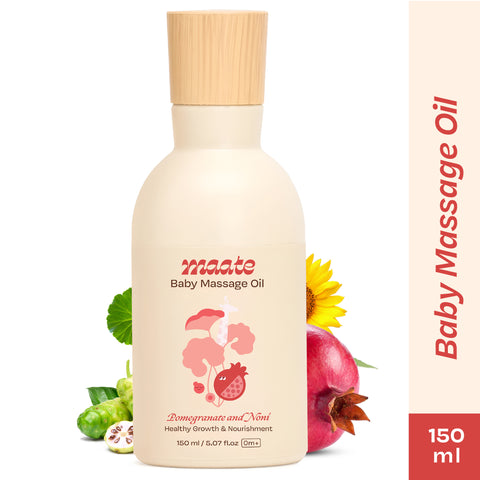
Maate’s Baby Hair Oil is an option to explore when building a gentle baby hair-care routine. Check the product label and use it only as directed. Avoid applying oil to irritated or broken skin without professional guidance. A baby hair growth oil is a related option, though it should be chosen with the same care.
How to Apply Baby Hair Oil Gently
If an oil is suitable for your baby, follow these precautions:
- Use only the amount recommended on the product label.
- Apply it gently without pressing or rubbing the scalp firmly.
- Avoid the eyes, nose and mouth.
- Stop using the product if irritation develops.
- Keep your baby away from slippery, oil-covered surfaces.
Newborns have a soft spot on the head called the fontanelle. Handle this area gently during washing and grooming rather than avoiding routine care altogether.
Dry Scalp in Babies During Winter: Is It Cradle Cap?
Dryness and cradle cap can look similar, but they are not the same condition.
Dry scalp often appears as small, loose flakes and may be associated with moisture loss or irritation.
Cradle cap commonly causes greasy, yellowish or crusty scales on a baby's scalp. It is a common infant scalp condition and does not necessarily mean the scalp is dirty or poorly cared for.
If you are unsure what is causing the flakes, seek advice from a paediatrician. Avoid scraping scales, using medicated shampoos without guidance or applying essential oils and unapproved home remedies.
Seek medical advice promptly if the scalp becomes painful, swollen, bleeds, develops discharge or is accompanied by other concerning symptoms. Once your baby’s scalp is comfortable, you may also look into the best baby shampoo for hair growth.
Build a Simple Winter Baby Hair-Care Routine
Consistency matters more than using numerous products. A straightforward routine can help you manage cleansing and grooming without overwhelming your baby’s delicate skin. If you are comparing options, the best shampoo for baby girl is worth exploring.
Before bath time: Check whether your baby's scalp actually needs washing. Prepare a gentle, age-appropriate shampoo and a soft towel.
During the bath: Use lukewarm water, cleanse gently and rinse away all shampoo residue.
After the bath: Pat the scalp dry and check for signs of irritation. Use a suitable hair-care product only when needed and according to its instructions.
For parents looking for coordinated cleansing and oiling essentials, Maate’s Baby Hair Essential Combo includes Baby Shampoo and Baby Hair Oil. Explore the product details to determine whether the products suit your baby's age and needs.
Common Winter Baby Scalp-Care Mistakes to Avoid
Even well-intentioned care can irritate delicate skin. Keep these common mistakes in mind:
- Overwashing: Cleansing too frequently may contribute to dryness.
- Using hot water: Very hot water can irritate the scalp.
- Picking at flakes: Scratching can damage the skin.
- Trying too many products: Multiple new products make it harder to identify potential irritants.
- Using adult hair-care products: These may not be appropriate for babies.
- Assuming oil fixes everything: Persistent flakes may have a cause that requires professional assessment.
A gentle approach helps you respond to your baby’s needs without adding unnecessary steps.
Make Winter Hair Care a Gentle Ritual with Maate
Knowing how to care for a baby’s scalp in winter does not require a complicated routine. Gentle cleansing, careful drying and age-appropriate products are practical starting points for everyday care.
At Maate, we believe baby-care routines should feel thoughtful, simple and suited to your little one’s needs. Explore our Baby Hair Essential Combo, featuring Baby Shampoo and Baby Hair Oil, to discover hair-care essentials for your baby's routine.
Choose gently, follow product directions and give your little one’s scalp the attention it deserves.
Frequently Asked Questions
Q1. How can I care for a baby’s scalp in winter?
Use a gentle baby shampoo when needed, wash with lukewarm water and pat the scalp dry. Avoid scratching flakes and use only age-appropriate products according to their directions.
Q2. How often should I wash my baby’s hair in winter?
There is no single schedule for every baby. Washing frequency depends on age, scalp condition and how dirty the hair becomes. Avoid unnecessary washing if the scalp is dry or irritated.
Q3. Can I use baby hair oil on a dry scalp?
A suitable baby hair oil may help condition the hair and soften the scalp. However, it may not address the cause of persistent dryness. Follow the product instructions and seek advice for irritated skin.
Q4. Can winter weather cause dry scalp in babies?
Yes. Cold weather and low indoor humidity may contribute to moisture loss. Frequent washing and unsuitable products can also play a role.
Q5. Is a flaky baby scalp always cradle cap?
No. Flakes may result from dryness, cradle cap or other skin conditions. Greasy, yellowish scales can be associated with cradle cap, but a paediatrician can help assess persistent or concerning symptoms.
Q6. Will moisturising oil prevent cradle cap?
Not necessarily. Oil may condition the hair, but it does not guarantee prevention or treatment of cradle cap. Follow appropriate care guidance and consult a paediatrician if scales persist.
Q7. What should I do if my baby’s scalp becomes red or swollen?
Stop using any product that may be causing irritation and contact a paediatrician. Seek prompt medical advice if there is swelling, bleeding, discharge, significant discomfort or other concerning symptoms.
Q8. Why is my baby’s scalp dry even after applying oil?
Oil does not always address the cause of dryness. Frequent washing, product sensitivity or an underlying scalp condition may contribute. Avoid repeatedly adding products and seek professional advice if the problem continues.