


To moisturize a newborn after a bath, gently pat the skin dry with a soft towel, leaving it slightly damp. Apply a small amount of a baby-appropriate moisturizer if needed, following the product's age guidance. Keep your baby warm, avoid irritated areas, and consult a pediatrician about persistent dryness or rashes.
Knowing how to moisturize a newborn after a bath can make everyday baby care feel simpler and more comfortable. Newborn skin is delicate, so gentle drying, appropriate products, and a consistent routine matter more than using several skincare products. At Maate, caring for little ones begins with thoughtful choices and simple habits. Understanding the right steps helps you protect your baby's comfort from the very first bath.
Why Does Newborn Skin Need Special Care After Bathing?
A newborn's skin is still adapting to life outside the womb. It can be sensitive to friction, harsh cleansers, fragrances, and excessive bathing. Some babies also experience temporary peeling during the early weeks, which does not always mean their skin needs additional products.
Bathing can remove some of the skin's natural oils, particularly when the water is too hot or the cleanser is too harsh. Gentle cleansing and suitable moisturizing can help maintain the skin's protective barrier and reduce moisture loss.
- A few simple habits can make a difference:
- Use lukewarm water rather than hot water.
- Keep baths short and avoid bathing more often than necessary.
- Choose gentle, age-appropriate cleansing products.
- Pat the skin dry instead of rubbing it.
- Apply moisturizer when appropriate if the skin feels dry.
The goal is to keep your newborn comfortable without overwhelming delicate skin with unnecessary products.
How to Moisturize a Newborn After a Bath
The easiest approach is to follow a few gentle steps in the same order after each bath. When learning how to moisturize a newborn after a bath, remember that not every baby needs moisturizer after every wash. Let your baby's skin condition and your pediatrician's advice guide the routine.
Step 1: Pat the Skin Dry Gently
Wrap your baby in a clean, soft towel immediately after bathing. Gently pat the skin rather than rubbing it, paying attention to the neck, armpits, groin, and other skin folds.
Drying these areas carefully helps prevent moisture from remaining trapped against the skin. Keep your baby comfortably warm throughout the process, and avoid leaving them unattended on an elevated surface.
Step 2: Apply a Suitable Moisturizer
If your newborn's skin is dry or needs additional hydration, apply a small amount of a moisturizer specifically suitable for their age. Applying it shortly after bathing, while the skin is still slightly damp, can help retain moisture.
Spread the product gently over the appropriate areas. Avoid the eyes, mouth, and any areas where the product is not intended to be used. Always follow the label instructions and check whether the product is suitable from birth.
Maate's Baby Butter Lotion is one option to explore when choosing a baby moisturizer. Check its current product directions and age guidance before using it on a newborn.
Step 3: Pay Attention to Dry Areas
Check your baby's cheeks, arms, legs, and other exposed areas for dryness. If a suitable moisturizer is needed, apply it gently without vigorous rubbing.
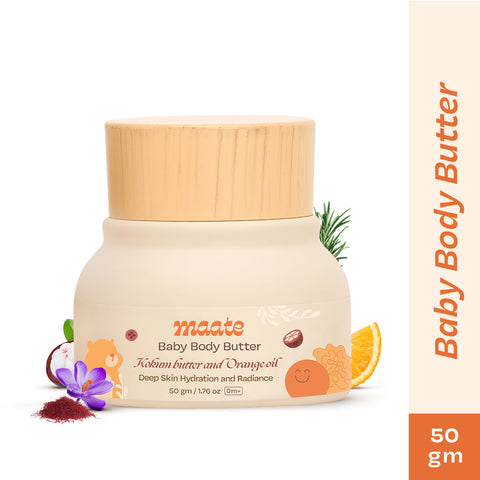
For particularly dry body skin, a richer product may be worth considering if it is appropriate for your baby's age and skin condition. Maate's Baby Body Butter is another product to explore, provided its age guidance and instructions are followed.
Do not apply body butter automatically to every dry patch. Persistent redness, cracking, swelling, or a spreading rash may require medical assessment rather than another skincare product.
Step 4: Dress Your Baby Comfortably
Once you have finished your skincare routine, dress your baby in clean, comfortable clothing. Choose breathable fabrics and avoid excessive layers that could cause overheating.
Clothing should not rub against irritated areas. If your baby's skin is sensitive, soft fabrics and a simple routine can help minimize unnecessary friction.
When to Apply Moisturizer to a Newborn
The best time to apply moisturizer is generally soon after bathing, once you have gently patted the skin dry and while it remains slightly damp.
However, moisturizer is not essential for every newborn after every bath. Babies with comfortable, healthy skin may not need an additional product regularly. Those experiencing dryness may benefit from an appropriate moisturizer.
Keep these points in mind:
- After bathing: Apply moisturizer when needed, following the product's directions.
- When skin feels dry: Use an age-appropriate product rather than repeatedly washing the area.
- When introducing a new product: Follow the label and watch for irritation.
- When dryness persists: Seek pediatric advice instead of increasing product use.
If you are unsure when to apply moisturizer to a newborn, particularly during the first weeks of life, ask your pediatrician for guidance suited to your baby's skin.
How to Care for Newborn Skin After Bathing
A newborn post-bath skincare routine does not need to involve several lotions, oils, and creams. Consistency, gentle handling, and suitable products are usually more useful than a complicated regimen.
Choose a Gentle Cleanser
Use lukewarm water and a mild cleanser formulated for babies when cleansing is necessary. Avoid harsh soaps and products that leave the skin feeling tight or irritated.
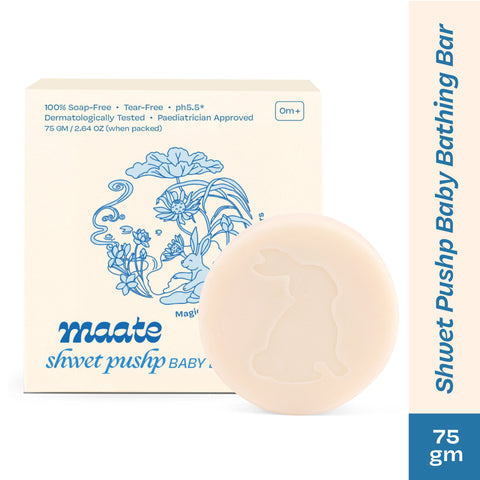
Maate's Baby Body Wash can be explored as part of your bath-time routine. Review its current ingredient list, instructions, and minimum recommended age before introducing it to your baby.
Keep the Routine Simple
Limit unnecessary products, particularly when your newborn's skin is adjusting to a new routine. Introducing several products at once can also make it harder to identify what caused a reaction.
For everyday care, focus on:
- Gentle cleansing when needed.
- Careful drying after bathing.
- Moisturizing when appropriate.
- Comfortable clothing and a suitable room temperature.
- Observing changes in your baby's skin.
Give Facial Skin Extra Attention
Newborn facial skin may be sensitive, so avoid applying products near the eyes or mouth. Do not assume that a body moisturizer is suitable for the face.
Maate's Baby Face Butter is another product in the brand's range, but check its specific age restrictions before considering it. Never use a product on a newborn if the label states that it is intended for older babies.
Common Mistakes to Avoid in a Newborn Post-Bath Skincare Routine
Small adjustments can help make skincare safer and more comfortable.
- Rubbing with a towel: Pat the skin gently to minimize friction.
- Using hot water: Choose comfortably lukewarm water.
- Applying too many products: Keep the routine simple and introduce products cautiously.
- Ignoring age guidance: Not every baby lotion, oil, or body butter is suitable from birth.
- Assuming natural means risk-free: Botanical ingredients can also cause irritation or allergic reactions.
- Treating a rash with cosmetics: Persistent or worsening skin problems need appropriate medical advice.
Newborn skin can change quickly. If you notice severe redness, blisters, open sores, or signs of infection, seek prompt medical care. A fever in a baby younger than three months requires urgent medical assessment, particularly a temperature of 38°C (100.4°F) or higher.
Choosing the Right Moisturizer for Your Newborn
When deciding how to moisturize a newborn after a bath, focus on suitability rather than fragrance, packaging, or the number of ingredients.
Look for a product that:
- Is explicitly suitable for your baby's age.
- Has clear application instructions.
- Is appropriate for sensitive skin.
- Does not contain ingredients your baby is known to react to.
- Fits your baby's actual skincare needs.
A lightweight lotion may suit routine moisturization, while a richer cream or body butter may be appropriate for some dry areas. The right choice depends on the baby's skin and the product's formulation.
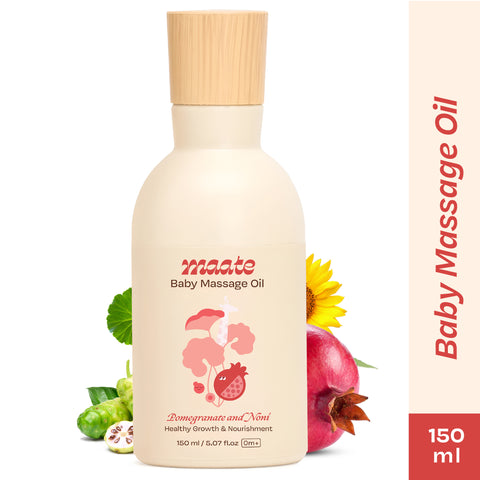
Maate offers baby skincare options for different parts of a bathing and moisturizing routine. Explore the Maate Baby Butter Lotion, Baby Body Butter, and Baby Body Wash, checking each product's age suitability and directions before use.
Remember that cosmetic products are intended for skincare, not for diagnosing or treating conditions such as eczema. Seek professional advice if dryness is persistent or accompanied by irritation.
Make Gentle Baby Care Part of Every Bath with Maate
Caring for newborn skin is about understanding what your baby needs and keeping each step gentle. From careful cleansing to moisturizing when needed, a simple routine can make everyday care feel more manageable.
Explore Maate's baby care collection to discover products for your family's bathing and skincare routine. Review each product's age guidance, choose what suits your baby's needs, and make every bath a calm moment of care and connection.
Frequently Asked Questions
Q1. How do you moisturize a newborn after a bath?
Gently pat your baby's skin dry with a soft towel, then apply a small amount of an age-appropriate moisturizer if needed. Applying it while the skin is slightly damp can help retain moisture. Follow the product directions and avoid irritated areas.
Q2. Can I use lotion on my newborn after every bath?
Yes, when appropriate for your baby's skin and age, but it is not always necessary. Some newborns do not need regular moisturizer. If dryness persists or your baby has a skin condition, ask your pediatrician for individualized advice.
Q3. Is it better to moisturize newborn skin when wet or dry?
Moisturizer is generally best applied to slightly damp skin after gently patting away excess water. Avoid applying products to dripping-wet skin, and follow the manufacturer's instructions for the specific product.
Q4. Will moisturizing prevent newborn skin from peeling?
Moisturizing may help relieve dryness, but it does not prevent every cause of peeling. Mild peeling can be normal in newborns. Do not pull loose skin, and consult a pediatrician if peeling is severe, persistent, or accompanied by redness or other symptoms.
Q5. What should I look for in a newborn moisturizer?
Choose a product explicitly suitable for your baby's age, with clear directions and a formulation appropriate for sensitive skin. Check the ingredients for known sensitivities and avoid assuming that every natural or fragrance-free product is automatically suitable for every baby.
Q6. Why does my newborn's skin feel dry after a bath?
Dryness may result from frequent bathing, hot water, harsh cleansers, or an immature skin barrier. Use lukewarm water, gentle cleansing, and appropriate moisturizer when needed. Persistent dryness, cracking, or inflammation should be assessed by a healthcare professional.
Q7. How often should I bathe and moisturize my newborn?
Newborns generally do not need daily baths; two or three baths a week are often sufficient unless they become dirty. Moisturizing frequency depends on the baby's skin and product directions. Clean the diaper area as needed and follow your pediatrician's advice.
Q8. Can I use body butter on my newborn's face?
Only if the product is specifically suitable for facial use and your baby's age. Some body butters may be too rich or may contain ingredients unsuitable for facial skin. Check the label and consult your pediatrician if you are unsure.